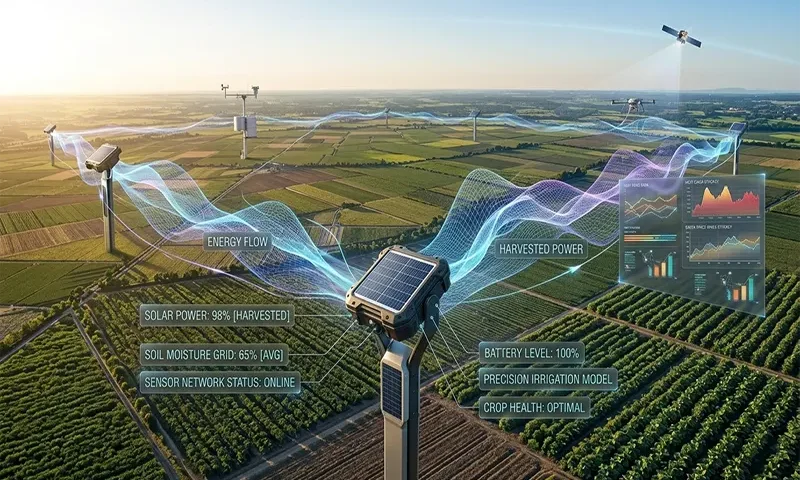
Solar-Powered Energy Harvesting Sensors for Smart Agriculture Monitoring

In the quest for “Sustainable Intensification,” the primary bottleneck has shifted from data processing to data persistence. As of 2026, the deployment of thousands of sensors across vast, off-grid agricultural landscapes has made traditional battery maintenance an operational impossibility. Solar-powered energy harvesting—specifically the transition toward perpetual, maintenance-free sensor nodes—has emerged as the definitive solution. By integrating high-efficiency photovoltaic transducers with advanced power management and edge computing, modern farms are establishing a self-sustaining digital nervous system.

The Power Paradox in Remote Farming

The promise of Smart Agriculture—precise irrigation, targeted fertilization, and early pest detection—relies on high-density sensor networks. However, these networks face a “Power Paradox”: the more data we require to be sustainable, the more batteries we consume, creating a new cycle of chemical waste and logistical labor.

In 2026, the “battery swap” model is dead. Manually replacing cells in a 5,000-acre cornfield is not only cost-prohibitive but environmentally counter-productive. To … Read the rest

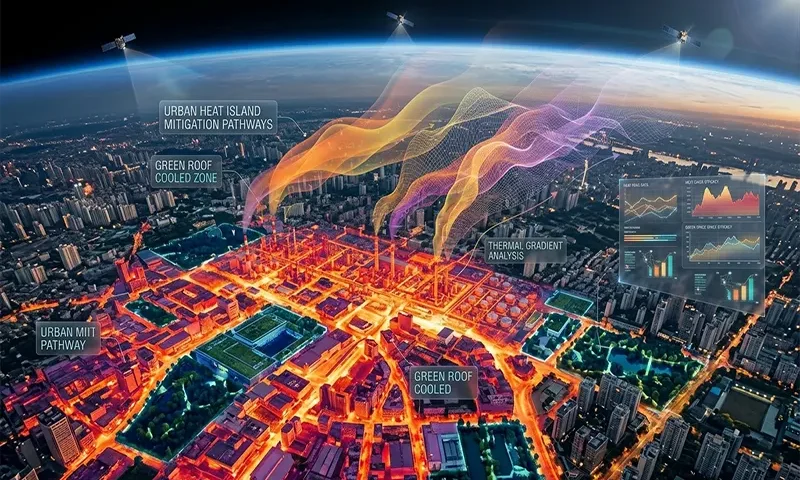
Satellite Thermal Infrared Imaging for Urban Heat Island Mitigation

As global temperatures continue to break records in 2026, the Urban Heat Island (UHI) effect has transitioned from a seasonal nuisance to a public health emergency. Municipalities are increasingly turning to Satellite Thermal Infrared (TIR) imaging to move beyond static heat maps toward dynamic, high-resolution mitigation strategies. by leveraging a new generation of thermal sensors and machine-learning downscaling techniques, urban planners can now pinpoint neighborhood-level “hot spots” and implement targeted cooling interventions that save lives and reduce energy demand.

The Nocturnal Danger of Cities

The Urban Heat Island (UHI) effect occurs when cities replace natural land cover with dense concentrations of pavement, buildings, and other surfaces that absorb and retain heat. This is measured via Land Surface Temperature (LST)—the “skin” temperature of the earth’s surface.

While daytime heat is often the focus of media attention, 2026 research has identified nocturnal LST as the primary driver of heat-related mortality. In … Read the rest

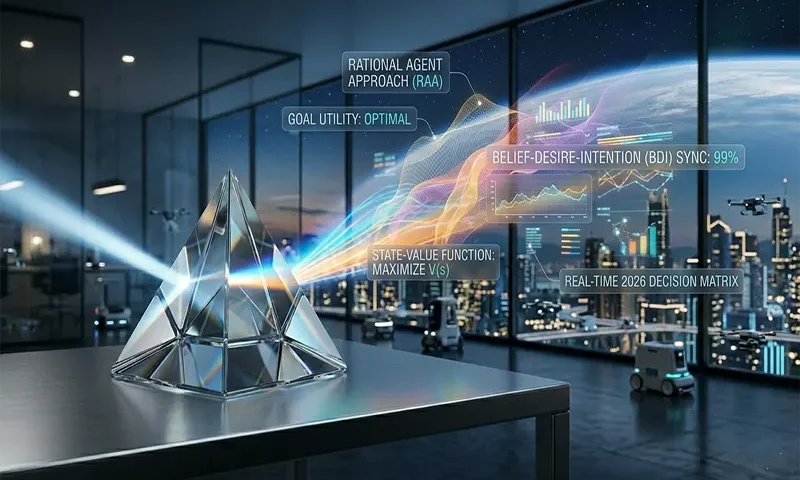
Applying the Rational Agent Approach to Modern Autonomous AI Agents in 2026

In the history of artificial intelligence, 2026 will be remembered as the year of the “Agentic Turn.” We have moved beyond the era of static Large Language Models (LLMs) that merely predict text, into an era of autonomous entities that plan, reason, and execute. At the heart of this transition lies the Rational Agent framework—a concept pioneered by Stuart Russell and Peter Norvig. By applying the rigorous standards of utility and rationality to modern agentic workflows, we can build systems that are not only powerful but also provably aligned with human intentions.

The Resurrection of the Agent

In the seminal text Artificial Intelligence: A Modern Approach (AIMA), a Rational Agent is defined as an entity that perceives its environment and acts so as to maximize its expected utility. For decades, this was a theoretical ideal. However, in 2026, the rise of “Agentic AI”—systems capable of using tools, navigating digital … Read the rest

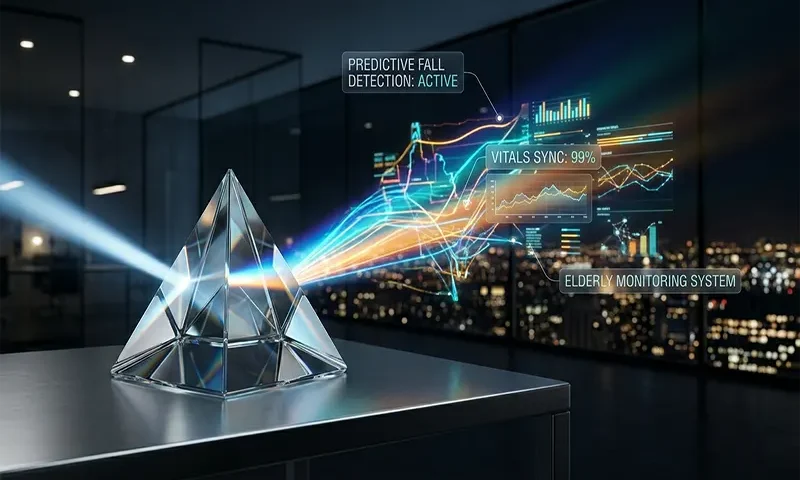
Predictive Wearable Health Monitors: The New Frontier in Elderly Fall Detection and Vitals

As the global population ages, the “fear of falling” has become a primary driver of reduced mobility and loss of independence among the elderly. Traditional medical alert buttons—while life-saving—are reactive by design. The 2026 health-tech landscape is shifting toward Predictive Wearables. By synthesizing high-frequency motion data with continuous vital sign monitoring, these devices can now identify the physiological “warning signs” of a fall days before it occurs, fundamentally redefining the concept of aging in place.

The Silent Crisis of Aging in Place

For the elderly, a fall is rarely just an accident; it is often the beginning of a rapid decline in quality of life. Statistically, one in three adults over the age of 65 falls each year, yet the psychological impact—the constant anxiety of being alone and incapacitated—often leads to “self-immobilization,” which ironically accelerates physical frailty.

Until recently, the industry standard was the “pendant” or “help button.” While … Read the rest